
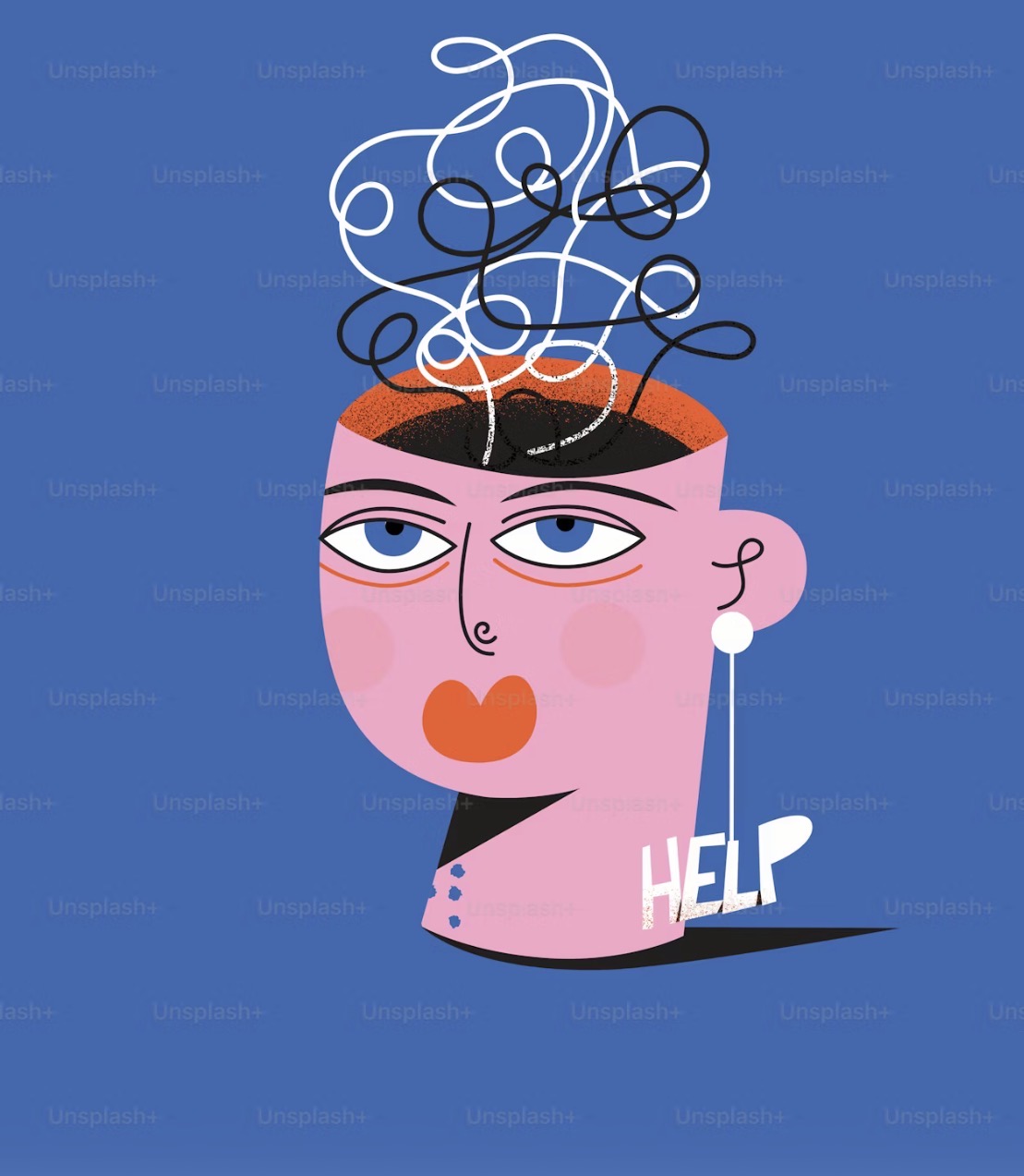
ADHD Burnout: Signs, Symptoms & Recovery
ADHD burnout is more than regular tiredness. Learn to recognise the signs, understand the cycle, and find your path to recovery.
ADHD Burnout: Understanding and Recovering
ADHD burnout is a state of chronic exhaustion that goes beyond ordinary tiredness. For people with ADHD, the constant effort of managing symptoms, masking struggles, and keeping up with neurotypical expectations can lead to complete collapse. Understanding ADHD burnout is the first step toward recovery.
What Does ADHD Burnout Feel Like?
ADHD burnout is characterised by:
Physical Exhaustion
- Bone-deep tiredness that sleep doesn't fix
- Physical heaviness, like moving through treacle
- Increased illness as immune system struggles
- Sleep disturbances - too much or too little
- Appetite changes
Mental Depletion
- Brain fog worse than usual
- Complete inability to focus
- Decision paralysis - even small choices feel impossible
- Memory problems intensifying
- Thoughts feeling "stuck" or empty
Emotional Collapse
- Numbness or flatness
- Irritability and short temper
- Overwhelming hopelessness
- Crying easily or feeling nothing at all
- Intense shame and self-criticism
Functional Impairment
- Basic tasks feel impossible
- Self-care declining
- Work or study performance collapsing
- Relationships suffering
- Withdrawal from activities you normally enjoy
ADHD Burnout Symptoms Checklist
You might be experiencing ADHD burnout if you're noticing:
- [ ] Exhaustion that rest doesn't relieve
- [ ] Your usual coping strategies aren't working
- [ ] Increased ADHD symptoms across the board
- [ ] Complete loss of motivation
- [ ] Feeling disconnected from life
- [ ] Physical symptoms (headaches, muscle tension, illness)
- [ ] Emotional numbness or volatility
- [ ] Unable to do things you normally manage
- [ ] Increased need for escapism
- [ ] Thoughts about giving up
The ADHD Burnout Cycle
ADHD burnout typically follows a pattern:
Phase 1: Overcompensation
- Working extra hard to appear "normal"
- Building complex systems and strategies
- Taking on too much
- Masking symptoms at high cost
- Ignoring early warning signs
Phase 2: Stress Accumulation
- Systems starting to fail
- Sleep suffering
- Less time for self-care
- Relationships straining
- Shame increasing
Phase 3: Crisis Point
- Major deadline or life event tips the balance
- One thing too many
- Dramatic symptom increase
- Often mistaken for anxiety or depression
Phase 4: Collapse
- Complete exhaustion
- Inability to maintain function
- All masking breaks down
- Everything feels impossible
Phase 5: Recovery (with support)
- Gradual rebuilding
- Learning limits
- Sustainable strategies
- Self-compassion
Without intervention, the cycle repeats - often getting worse each time.
How Long Does ADHD Burnout Last?
There's no fixed timeline for ADHD burnout recovery:
Factors affecting duration:
- Severity of burnout
- How long you pushed through before stopping
- Support available
- Life circumstances allowing rest
- Whether root causes are addressed
General patterns:
- Mild burnout: Weeks with proper rest and boundary-setting
- Moderate burnout: 2-6 months with significant life changes
- Severe burnout: 6-18 months, sometimes longer
Recovery isn't linear - expect good days and setbacks.
What Causes ADHD Burnout?
ADHD burnout results from:
Chronic Masking
- Hiding symptoms to fit in
- Performing neurotypicality
- The exhausting effort of appearing "normal"
Unsustainable Demands
- Jobs mismatched to ADHD brains
- Life circumstances requiring constant executive function
- Taking on too much
Lack of Accommodation
- Working in environments designed for neurotypical brains
- No understanding from others
- Having to constantly adapt
Untreated or Undertreated ADHD
- Not knowing you have ADHD
- Inadequate medication
- Lack of appropriate support
Life Transitions
- New jobs, parenthood, relationships
- Increased demands overwhelming coping strategies
How to Recover from ADHD Burnout
Immediate Steps
Stop and Rest
- This isn't optional - rest is medicine
- Cancel what can be cancelled
- Lower all standards temporarily
- Accept help if offered
Meet Basic Needs
- Sleep (even if quality is poor)
- Food (easy, accessible - no cooking required)
- Hydration
- Movement (even small amounts)
Remove Demands
- Delegate what you can
- Postpone non-essentials
- Use sick leave if possible
- Be honest with people about your capacity
Medium-Term Recovery
Address Root Causes
- Consider ADHD assessment if undiagnosed
- Review medication if currently on it
- Evaluate what led to burnout
Build Back Slowly
- Add one thing at a time
- Test new limits carefully
- Build in rest before you need it
Create Sustainable Systems
- ADHD-friendly strategies
- Reduced masking
- Better boundaries
Long-Term Prevention
Know Your Warning Signs
- Sleep changes
- Increased irritability
- Systems starting to fail
- Needing more caffeine/stimulation
Build in Recovery
- Regular rest (not earned through productivity)
- Interests and hobbies
- Connection with understanding people
Accept Limits
- You may have lower capacity than neurotypical peers
- This isn't failure - it's neurobiology
- Working with your brain, not against it
ADHD Burnout vs Depression
ADHD burnout and depression share symptoms but differ:
| ADHD Burnout | Depression | |--------------|------------| | Onset often follows period of high demand | Can arise without obvious trigger | | Connected to ADHD symptom management | May occur independently of ADHD | | Rest helps (eventually) | Rest alone may not improve symptoms | | Returns to baseline with recovery | May require specific treatment |
They can also occur together - burnout can trigger depression, and depression worsens burnout.
Getting Support
ADHD burnout recovery often requires help:
- Medical review - checking physical health, medication
- Therapy - processing burnout, building strategies
- ADHD coaching - sustainable systems and boundaries
- Workplace accommodations - reducing unsustainable demands
- Community - connecting with others who understand
Moving Forward
ADHD burnout is serious but recoverable. It's often a signal that something needs to change - not about trying harder, but about living differently.
Recovery means building a life that works with your ADHD brain, not constantly fighting against it.
Ready to Take the Next Step?
Get clarity about your ADHD with Mindora's comprehensive assessment, combining AI-powered screening with expert clinical review.
Start Your Assessment